


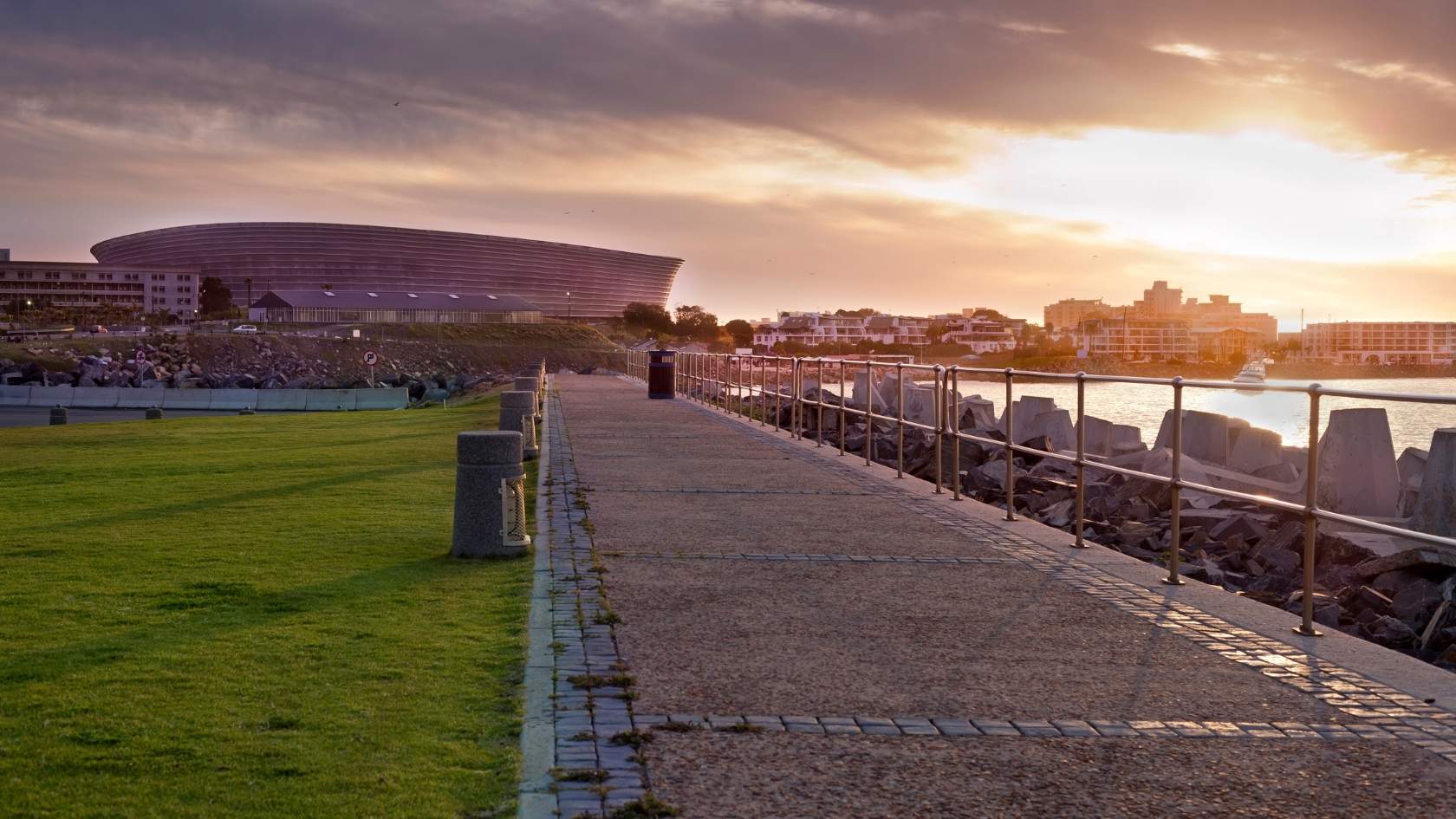
Cape Town stands as one of the world’s most stunning cities, where dramatic mountains meet the Atlantic Ocean and centuries of history blend with modern culture. The city offers dozens of incredible places to visit, from towering peaks to pristine beaches to vibrant neighbourhoods. The biggest attractions in Cape Town include Table Mountain, Cape Point, Robben Island, the V&A Waterfront, Boulders Beach, and Kirstenbosch Botanical Garden, each offering unique experiences that showcase the city’s natural beauty and rich heritage.
Whether you’re drawn to outdoor adventures, cultural exploration, or simply soaking up the scenery, Cape Town delivers experiences that appeal to every type of traveller. You can ride a cable car to mountain summits, walk amongst penguin colonies, explore museums housed in historic buildings, or sample world-class wines just outside the city centre.
Planning your visit means choosing from an impressive selection of must-see attractions in Cape Town that range from natural wonders to cultural landmarks. This guide breaks down the city’s biggest attractions by category, helping you understand what makes each destination special and how to make the most of your time in the Mother City.
Table Mountain and Surroundings
Table Mountain rises 1,085 metres above Cape Town and hosts over 8,200 plant species across its plateau and slopes. The mountain anchors a national park that extends to Cape Point, whilst neighbouring peaks like Lion’s Head and Signal Hill offer additional vantage points over the city.
Table Mountain Cableway and Hiking Routes
The Table Mountain Aerial Cableway transports you to the summit in roughly five minutes, with rotating floor cabins providing 360-degree views during ascent. The cableway operates daily between 9:00 and 19:00, though times vary seasonally and weather conditions can cause closures.
If you prefer hiking, Platteklip Gorge provides the most direct route to the top. This steep ascent takes two to three hours and climbs straight up the mountain’s face. Skeleton Gorge offers a more challenging alternative through indigenous forest and requires scrambling over boulders near the summit.
More than 350 routes lead up Table Mountain, ranging from beginner-friendly paths to technical climbs. You should check weather forecasts before starting any hike, as conditions change rapidly. Always carry sufficient water, sun protection, and warm layers regardless of which route you choose.
Views from the Summit and Platteklip Gorge
From the top, you’ll see Robben Island to the north, the Twelve Apostles mountain range to the south, and the Atlantic Ocean stretching westward. The city bowl spreads below, with Devil’s Peak and Lion’s Head framing the urban landscape.
Platteklip Gorge cuts directly up the mountain’s face and remains visible from many points across Cape Town. Whilst hiking this route, you’ll traverse rocky terrain with minimal shade and gain approximately 700 metres in elevation. The path becomes increasingly steep in its upper sections.
Guided walking tours depart hourly from the Twelve Apostles Terrace between 09:00 and 15:00. These 30-minute walks cover the mountain’s ecology and the cableway’s history. Self-guided options include the Dassie Walk (15 minutes), Agama Walk (30 minutes), and Klipspringer Walk (45 minutes).
Signal Hill and Lion’s Head
Signal Hill sits between Table Mountain and Lion’s Head at 350 metres elevation. You can drive to the summit, where a cannon fires daily at noon—a tradition dating back to 1806. The hill provides unobstructed sunset views over Camps Bay and the Atlantic seaboard.
Lion’s Head stands at 669 metres and requires a moderate one to two-hour hike to reach its peak. The final section involves chains and ladders bolted into the rock face. Full moon hikes have become popular, with hundreds of people ascending after dark using head torches.
Both peaks form part of Table Mountain National Park and offer alternatives when cloud cover obscures the main mountain. You’ll find these spots less crowded than Table Mountain itself, particularly during weekday mornings.
Table Mountain National Park Highlights
Table Mountain National Park protects the Cape Peninsula’s mountain chain from Signal Hill to Cape Point. The park encompasses 25,000 hectares and includes marine protected areas along the coastline. Entry fees apply at certain access points, though many hiking trails remain free to use.
Fynbos vegetation dominates the landscape, with approximately 80% of Table Mountain’s plant species falling into this category. You might spot dassies (rock hyraxes), caracals, and mongooses whilst exploring the park. Over 1,460 plant species grow on Table Mountain alone, many of which exist nowhere else on Earth.
The park has protected this area for over a century, maintaining hiking paths, managing invasive species, and preserving natural habitats. You can access numerous activities including abseiling, mountain biking, and rock climbing within designated zones.
Cape Point and the Cape Peninsula
The Cape Peninsula stretches about 60 kilometres south from Cape Town, ending at Cape Point where dramatic cliffs meet the Atlantic and Indian Oceans. This narrow strip of land offers rugged coastline, diverse wildlife, and historic landmarks that make it one of the region’s most visited areas.
Cape of Good Hope
The Cape of Good Hope sits within Table Mountain National Park at the southwestern tip of Africa. Many visitors mistakenly believe this is the southernmost point of Africa, but that distinction belongs to Cape Agulhas, located about 150 kilometres southeast.
The rocky headland features windswept fynbos vegetation and steep cliffs that drop into the churning ocean below. You can walk to the original stone marker sign, a popular photo spot where the Atlantic meets the Indian Ocean’s currents.
Wildlife you might encounter includes:
- Cape mountain zebra
- Bontebok
- Baboons (keep car windows closed)
- Ostriches
- Various antelope species
The area offers several hiking trails that wind through the coastal landscape. These paths range from easy walks to more challenging routes along the clifftops.
Cape Point Lighthouse and Flying Dutchman Funicular
The Cape Point lighthouse has stood since 1857 on a cliff edge 238 metres above sea level. The original lighthouse often sat shrouded in clouds and mist, which limited its effectiveness for ships navigating these treacherous waters.
A newer lighthouse was built lower down in 1919 after the Portuguese liner Lusitania wrecked nearby in 1911. The old lighthouse now serves as a viewing point with panoramic ocean views.
You can reach the old lighthouse two ways. The Flying Dutchman Funicular railway climbs the steep slope in about three minutes, making the journey accessible for those with mobility limitations. Alternatively, you can walk up the stone pathway with over 100 steps.
The funicular takes its name from the legendary ghost ship said to haunt these waters. On clear days from the top, you’ll see False Bay, the Hottentots Holland Mountains, and miles of coastline stretching in both directions.
Cape Point Nature Reserve Wildlife
Cape Point Nature Reserve protects pristine habitats within one of the world’s most biodiverse areas. The reserve forms part of the Cape Floral Region, a UNESCO World Heritage Site home to thousands of plant species found nowhere else on Earth.
Orange-breasted sunbirds flit amongst the fynbos whilst pelagic birds ride air currents above the cliffs. Between June and November, southern right whales migrate through these waters, often visible from the shore as they breach and blow.
Small mammals like rock hyraxes sun themselves on boulders whilst raptors circle overhead searching for prey. The reserve’s varied terrain includes beaches like Buffels Bay and Dias Beach, where you can spot African penguins waddling along the sand.
Keep your distance from baboons throughout the reserve. These clever primates have learnt to associate humans with food and can become aggressive if they spot unsecured items.
Scenic Coastal Drives and Beaches
Chapman’s Peak Drive ranks amongst the world’s most beautiful coastal routes, carved into the mountainside between Hout Bay and Noordhoek. The 9-kilometre stretch features 114 curves with lookout points offering views of the Atlantic Ocean crashing against granite cliffs.
Noordhoek Beach stretches for 8 kilometres of white sand, popular with horse riders and dog walkers. The beach remains relatively uncrowded even during peak season.
Notable coastal villages include:
| Location | Highlights |
|---|---|
| Hout Bay | Working harbour, seal island boat trips, fish markets |
| Kalk Bay | Colourful fishing village, antique shops, seaside cafés |
| Simon’s Town | Naval base, Boulders Beach penguin colony, Victorian architecture |
Windmill Beach near Simon’s Town offers sheltered swimming conditions, tucked into a protected cove. The False Bay coastline generally has warmer water than the Atlantic side, making beaches here more comfortable for swimming during summer months.
Historic and Cultural Landmarks
Cape Town‘s heritage sites showcase the city’s complex history through museums, neighbourhoods, and monuments that tell stories of struggle, resilience, and cultural diversity. These landmarks offer you authentic insights into South Africa’s past and present.
Robben Island and the Legacy of Nelson Mandela
Robben Island stands 12 kilometres off Cape Town’s coast as a UNESCO World Heritage Site. The island served as a prison for political activists during apartheid, most famously holding Nelson Mandela for 18 of his 27 years in captivity.
You can only reach the island by taking a Robben Island tour, which departs from the V&A Waterfront. The journey includes a ferry ride and a guided tour of the prison facilities.
The Robben Island Museum operates the site and employs former political prisoners as guides. These guides share firsthand accounts of life in the maximum-security prison where Mandela and other activists were held. You’ll see Mandela’s cell, the lime quarry where prisoners worked, and the communal areas that became spaces for secret education and resistance.
Tours last approximately 3.5 hours and must be booked in advance. The experience provides you with a sobering look at South Africa’s struggle for freedom.
Bo-Kaap and Cape Malay Culture
Bo-Kaap captivates visitors with its brightly coloured houses painted in vibrant blues, pinks, greens, and yellows. This neighbourhood sits on the slopes of Signal Hill and represents the heart of Cape Malay culture in Cape Town.
The area was established in the 1760s when freed slaves, many of Malaysian and Indonesian descent, settled here. Today, Bo-Kaap remains one of Cape Town’s oldest residential areas with strong Islamic traditions.
The Iziko Bo-Kaap Museum occupies a house built in 1763 and displays the lifestyle of a 19th-century Muslim family. You can explore period furniture, photographs, and artefacts that illustrate Cape Malay heritage. The museum sits on Wale Street and offers insight into the community’s religious practices, cuisine, and daily life.
Walking through Bo-Kaap’s cobbled streets, you’ll encounter mosques, spice shops, and restaurants serving traditional Cape Malay dishes like bobotie and koesisters.
Castle of Good Hope and District Six Museum
The Castle of Good Hope, built between 1666 and 1679, ranks as South Africa’s oldest colonial building. This pentagonal fortress served as a replenishment station for Dutch East India Company ships and later housed military and government operations.
You can explore the castle’s rooms, including the original dungeons, torture chambers, and the William Fehr Collection of colonial art and furniture. The castle still functions as a military headquarters whilst operating as a museum.
The District Six Museum tells a different but equally important story. District Six was a vibrant mixed-race neighbourhood until the apartheid government declared it a whites-only area in 1966. Over 60,000 residents were forcibly removed and their homes demolished.
The museum occupies a former Methodist church and displays photographs, personal testimonies, and street signs salvaged from the demolished area. A large floor map allows former residents to mark where their homes once stood, creating a powerful memorial to the displaced community.
Greenmarket Square and Local Markets
Greenmarket Square has functioned as a market space since 1696, making it one of Cape Town’s oldest public squares. The cobbled plaza sits in the city centre, surrounded by historic buildings including the Old Town House.
You’ll find craft vendors selling African art, jewellery, textiles, and souvenirs under colourful umbrellas. The market operates daily and offers you a chance to purchase handmade goods whilst supporting local artisans. Bargaining is expected and part of the shopping experience.
Whilst not in the immediate city centre, the Old Biscuit Mill in Woodstock and Bay Harbour Market in Hout Bay offer you additional market experiences. The Old Biscuit Mill hosts the Neighbourgoods Market on Saturdays, featuring artisanal food, vintage clothing, and design items. Bay Harbour Market operates year-round with over 100 vendors selling crafts, clothing, and street food in a converted warehouse overlooking the harbour.
Victoria & Alfred Waterfront and Attractions
The Victoria & Alfred Waterfront stands as South Africa’s oldest working harbour, drawing over 20 million visitors annually with its blend of shopping, dining, museums, and marine experiences. You’ll find everything from luxury boutiques to world-class art galleries set against stunning ocean and mountain views.
Harbourfront Shopping and Dining
The Victoria Wharf Mall offers hundreds of shops ranging from high-street brands like H&M to luxury names such as Chanel. You can spend hours browsing both international and local stores in this massive shopping complex.
When hunger strikes, head to Willoughby & Co for sushi that draws queues even on weekday afternoons. The restaurant sits right in the mall corridor but remains consistently packed, which speaks volumes about the quality. For craft markets, visit the Watershed Market where local designers sell handmade jewellery, fashion, and art.
The Oranjezicht Market operates at Granger Bay on weekends, offering food stalls from local restaurants and artisan products. Vadas Bakery’s pastéis de nata are particularly popular. The market runs from 8:15 am until 2 pm on Saturdays and 9 am to 2 pm on Sundays, with a Wednesday night market during summer months.
Two Oceans Aquarium
The Two Oceans Aquarium houses over 8,000 different marine creatures across multiple display galleries designed to educate visitors about South African marine life. The Jelly Hall stands out as a particularly impressive exhibit.
You can visit daily from 9:30 am until 6 pm, with weekend opening times starting at 9 am. Adult tickets cost R265, whilst students and 14-17 year olds pay R195, and children aged 3-13 enter for R120.
The aquarium sits right on the harbour, making it easy to spot resident seals swimming nearby. These playful creatures often sun themselves on pontoons outside Aquarium Bootleggers.
Cape Wheel and Mouille Point
The Cape Wheel offers panoramic views of the waterfront, Table Mountain, and surrounding areas during its 15-minute ride. You’ll rotate around 4 or 5 times, giving you plenty of photo opportunities.
Tickets cost R275 for international visitors, R180 for South Africans, and R95 for children. The wheel operates from 10 am until 10 pm during summer, though winter hours end slightly earlier. You’ll find it directly outside the Victoria Wharf Mall.
From the waterfront, sunset cruises depart towards Mouille Point lighthouse. These 90-minute trips include sparkling wine and take you past Sea Point Promenade and Three Anchor Bay. The boats sail along the Atlantic coastline, offering views of the city lights as dusk falls.
Zeitz MOCAA and Art Experiences
The Zeitz Museum of Contemporary Art Africa is Africa’s largest museum of its kind, housed in a converted grain silo complex. The building itself is architectural marvel, with the original industrial structure transformed into exhibition spaces.
You’ll find contemporary African art spanning painting, sculpture, photography, and video installations. The Zeitz MOCAA celebrates the diversity of African creativity across the continent. The museum opens from 10 am until 6 pm daily except Sundays.
Adult admission costs R250, though African citizens can visit for free until 1 pm on Fridays. The museum’s location at the waterfront makes it easy to combine with other attractions during your visit.
Nature and Beaches
Cape Town’s coastline stretches across two oceans, offering everything from sheltered coves with resident penguin colonies to dramatic surf breaks and scenic coastal paths. The beaches range from the glamorous white sands of the Atlantic seaboard to the warmer waters of False Bay.
Boulders Beach and African Penguins
Boulders Beach sits in Simon’s Town along the Cape Peninsula, home to a thriving colony of African penguins. You can walk along elevated boardwalks that bring you within metres of these endangered birds as they waddle between granite boulders, swim in the sheltered coves, and nest in the coastal vegetation.
The beach itself features calm, protected waters ideal for swimming and snorkelling. Large granite rocks create natural pools that shelter you from strong currents and winds. You’ll pay an entrance fee to access the boardwalks and beach area, with funds supporting penguin conservation efforts.
Nearby Windmill Beach offers another viewing spot where you can observe the penguins from a different angle. The colony has grown to over 3,000 birds since just two breeding pairs arrived in 1982. Visit early morning or late afternoon to avoid crowds and see the penguins at their most active.
Camps Bay Beach and Clifton Beaches
Camps Bay Beach stretches along the Atlantic seaboard beneath the dramatic Twelve Apostles mountain range. The wide strip of white sand attracts sunbathers and swimmers, though the water remains cold year-round at around 12-14°C. Palm trees line the beachfront promenade, which is packed with restaurants, cafés, and bars.
Clifton and Camps Bay rank amongst the city’s most popular beaches for socialising and watching sunsets. Clifton comprises four separate beaches, numbered First through Fourth, each sheltered by granite outcrops. Fourth Beach draws the largest crowds with its Blue Flag status and family-friendly atmosphere. The beaches offer excellent protection from Cape Town’s strong south-easterly winds during summer months.
Muizenberg Beach and Surf Culture
Muizenberg Beach lies on the False Bay coast, known for its colourful Victorian bathing boxes and gentle waves perfect for learning to surf. The water here stays several degrees warmer than the Atlantic side, reaching 18-20°C in summer. Shark spotters monitor the beach during peak hours, adding an extra layer of safety for swimmers and surfers.
The long, sandy beach creates ideal conditions for beginner surfers, with numerous surf schools offering lessons and board rentals. You’ll find the waves more forgiving than other Cape Town surf spots, with a gradual beach break that allows plenty of practice time. The beachfront village maintains a relaxed, bohemian atmosphere with vintage shops, surfboard shapers, and casual eateries.
Cape Town Coastal Walks
The coastal paths around Cape Town offer stunning ocean views and diverse terrain. The Hout Bay to Llandudno trail follows dramatic cliffsides above the Atlantic, taking roughly two hours to complete. You’ll pass secluded Sandy Bay beach and navigate rocky sections that require moderate fitness levels.
The Sea Point Promenade provides an easier option, stretching for several kilometres along the Atlantic with dedicated walking and cycling lanes. Locals use this paved path for morning runs, sunset strolls, and family outings. The promenade features tidal pools, children’s play areas, and outdoor gym equipment along its length.
Wine Country and Botanical Gardens
Cape Town’s surrounding areas offer world-class botanical experiences and award-winning wine estates that showcase the region’s natural beauty and viticultural excellence. These attractions combine stunning landscapes with cultural heritage and contemporary innovation.
Kirstenbosch National Botanical Garden
Kirstenbosch National Botanical Garden sits at the eastern foot of Table Mountain and covers over 528 hectares of indigenous flora. The gardens showcase thousands of South African plant species across various themed sections.
You can explore multiple walking trails that wind through the property, ranging from easy strolls to more challenging hikes up the mountain slopes. The Centenary Tree Canopy Walkway offers elevated views across the gardens and surrounding mountains. Summer concerts on the lawns have become a beloved tradition for locals and visitors alike.
The gardens serve as both a conservation area and a research facility for South Africa’s unique plant biodiversity. You’ll find specialized sections including a fragrance garden, medicinal plants area, and protea garden. Birdwatching opportunities abound throughout the year, with numerous species inhabiting the gardens’ diverse habitats.
Constantia Winelands and Groot Constantia
Groot Constantia is the oldest wine estate in South Africa, established in 1685. The estate spans more than 300 hectares and includes working vineyards, historic cellars, a museum, restaurants, and manicured gardens.
You can tour the wine cellars and learn about South Africa’s winemaking history whilst sampling award-winning wines. The estate produces the famous Vin de Constance, a sweet dessert wine that has been celebrated for centuries. The original Cape Dutch architecture provides a glimpse into the region’s colonial past.
The broader Constantia Winelands area includes other renowned estates such as Klein Constantia, Constantia Glen, and Steenberg. Many estates offer wine tastings, cellar tours, and fine dining experiences. Cap Classique sparkling wines are a specialty across several Constantia producers.
Cape Winelands: Stellenbosch and Beyond
Stellenbosch lies just a short drive from Cape Town and represents one of South Africa’s premier wine regions. The town features historic Cape Dutch architecture, oak-lined streets, and dozens of wine estates within easy reach.
You’ll find diverse wine varieties including Cabernet Sauvignon, Pinotage, and Chenin Blanc across the region’s estates. Many wineries offer restaurant facilities where you can pair local wines with seasonal cuisine. The Stellenbosch Wine Route encompasses over 200 wine and grape producers.
Other notable wine regions near Cape Town include Franschhoek and Paarl, each with distinctive characteristics and specialties. Cape Point Vineyards offers a unique coastal wine experience closer to the peninsula.
Contemporary Art at Norval Foundation
The Norval Foundation combines art, architecture, and nature in the Constantia Valley. This contemporary art museum showcases South African artists alongside international exhibitions in a purpose-built space designed by dhk Architects.
You can explore rotating exhibitions in multiple galleries whilst enjoying views of the surrounding vineyards and mountains. The sculpture garden features outdoor installations set among indigenous landscaping. The foundation includes a research library, conservation studio, and restaurant serving seasonal dishes.
Educational programmes and guided tours help you engage more deeply with the artworks on display. The building itself merits attention for its sustainable design and integration with the natural landscape.