


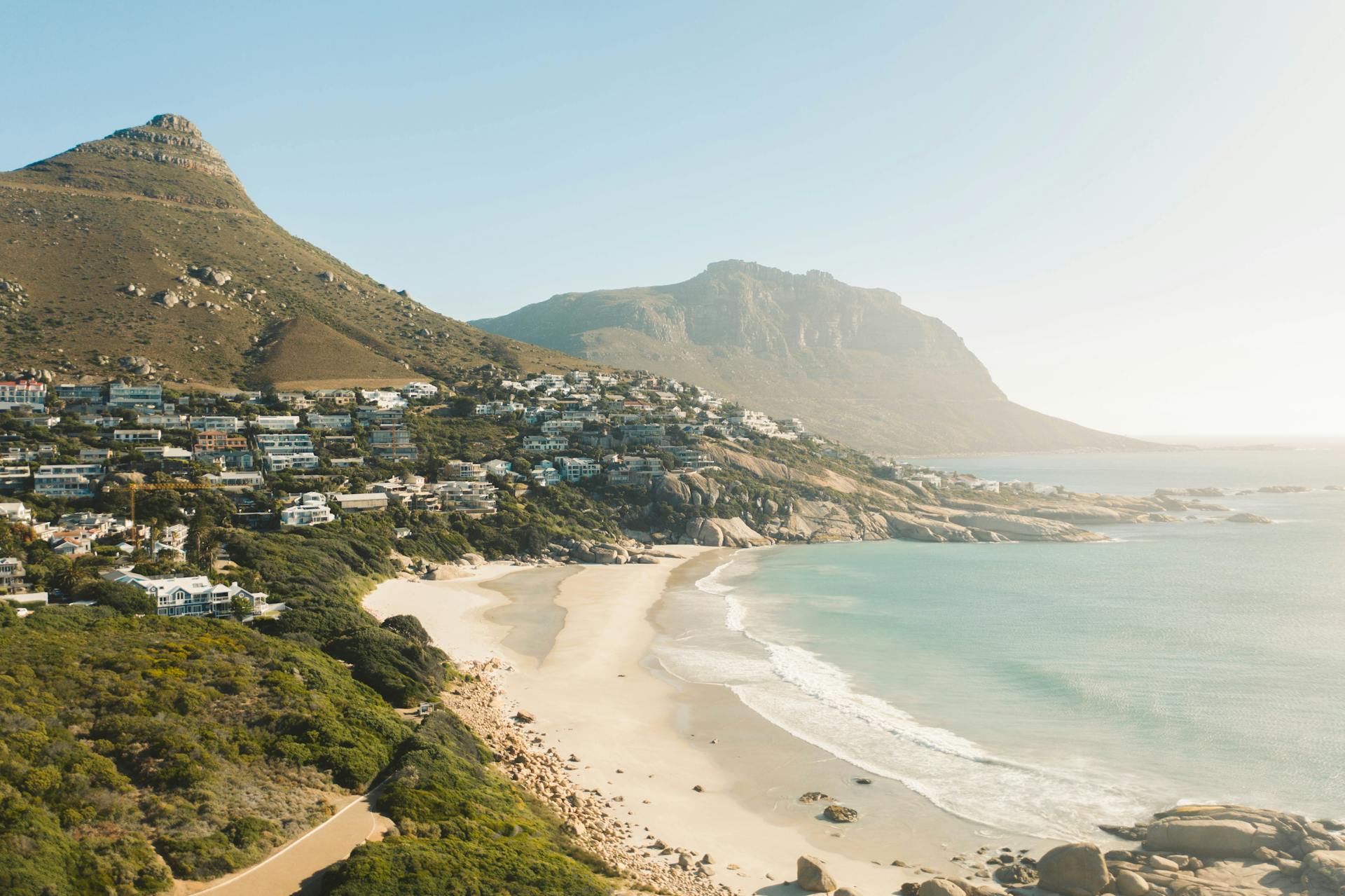
Cape Town is a destination with something special in every season. As locals, we know the best time really depends on what you want to experience.
Cape Town has a Mediterranean climate with mild, wet winters and warm, dry summers. Temperatures range from 7°C in winter to 30°C in summer, with microclimates created by the mountains and ocean.
We see four distinct seasons, each with its own highlights. Here’s what to expect:
Summer (December to February)
Summer brings hot, dry weather with temperatures between 25°C and 30°C. This is beach season, with long days and plenty of sunshine.
Expect packed beaches like Clifton and Camps Bay, vibrant festivals, and a lively atmosphere. Outdoor activities like hiking, surfing, and paragliding are popular. The Cape Doctor wind can pick up in the afternoons.
Autumn (March to May)
Autumn cools down but stays pleasant, with temperatures from 8°C to 25°C. This is harvest time in the Cape Winelands, perfect for wine tasting.
The city is quieter, and outdoor activities are comfortable. Vineyards show beautiful autumn colours, and hiking is ideal.
Winter (June to August)
Winter is mild compared to many places, with temperatures between 6°C and 18°C. There’s more rain, but also green landscapes and cosy indoor spots.
This is the best time for whale watching along the coast. Beaches are empty, hotel rates are low, and it’s great for surfing and enjoying Cape Town’s food scene.
Spring (September to November)
Spring brings warming temperatures (15°C to 25°C) and the famous wildflower displays across the Western Cape. The city comes alive with colour and outdoor adventure.
It’s a fantastic time for hiking, cycling, and exploring nature reserves. Festivals and whale sightings continue into spring.
Cape Town Season Highlights
Spring
Wildflowers bloom, especially in the West Coast National Park. Great for hiking Table Mountain and Lion’s Head, and visiting Kirstenbosch Botanical Garden.
- Wildflower viewing
- Hiking and cycling
- Start of whale watching season
Summer
Perfect for the beach, surfing, and outdoor festivals. Long days and a buzzing city vibe.
- Swimming and sunbathing
- Surfing and adventure sports
- Music and cultural festivals
Autumn
Wine harvest in Stellenbosch and Franschhoek. Comfortable weather for exploring and fewer crowds.
- Wine tasting and vineyard tours
- Hiking and scenic drives
- Harvest festivals
Winter
Whale watching peaks. Enjoy green landscapes, empty attractions, and cosy indoor activities.
- Whale watching
- Surfing big winter waves
- Indoor museums and restaurants
There’s no single best time to visit Cape Town—it all depends on what you’re after. Each season has its own charm and highlights, so choose what suits your interests best.
Winter: Whale Watching and Cosy Escapes
Winter runs from June to August with temperatures between 7 and 18°C. Rain and wind are common.
Southern right whales migrate to our coast from June. Hermanus offers some of the world’s best land-based whale watching, with peak sightings between August and September.
- Whale watching in Hermanus
- Visiting museums and galleries
- Restaurant Week specials
- Exploring Robben Island
- Wine tasting in cosy estates
Festivals and Events Throughout the Year
Summer Cultural and Music Festivals
Summer brings Cape Town’s major cultural celebrations. The Cape Town International Jazz Festival is in January, attracting music lovers from around the world.
The Cape Town Carnival lights up Green Point in March with colourful parades. The Cape Town Minstrel Carnival also takes place in January, while Kirstenbosch Summer Sunset Concerts run from December to March.
Autumn Sporting and Food Events
March features the Cape Town Cycle Tour, the world’s largest timed cycling race. April brings the Two Oceans Marathon, a 56-kilometre ultra-marathon with stunning coastal views.
Autumn is also for foodies, with the South African Cheese Festival and vineyard harvest celebrations. Stellenbosch and Franschhoek host tastings and tours as grapes are harvested.
Winter Celebrations and Whales
Winter is prime for whale watching, with Southern Right Whales arriving from June through November. Restaurant Week offers gourmet meals at reduced prices.
It’s a good time for indoor attractions like the Zeitz Museum of Contemporary Art Africa. Food festivals and cultural events continue through winter.
Spring Flower and Whale Festivals
Spring brings the Hermanus Whale Festival in September, celebrating peak whale migration. The Cape Floral Region blooms with wildflowers, especially in Kirstenbosch National Botanical Garden.
October features the Cape Town International Film Market & Festival and Rocking the Daisies music festival. Spring temperatures range from 15 to 25°C, perfect for outdoor events.
Travel Planning Considerations
Least Crowded Months
June through August are the quietest months. Beaches and attractions are uncrowded, giving a more local feel.
December to February is peak season, with crowds and higher prices. March to May and September to November offer moderate crowds and pleasant weather.
What to Pack and Book in Advance
Winter (June-August):
- Waterproof jacket
- Warm layers
- Closed shoes
- Umbrella
Summer (December-February):
- Sun cream
- Light clothing
- Sunglasses and hat
- Swimwear
Book accommodation at least three months ahead for summer. For winter, booking six weeks in advance is usually enough.
Buy Table Mountain cable car tickets online in peak season. Book wine tours and restaurant reservations in advance, especially in summer and during harvest season.
Regional Attractions in Every Season
Cape Winelands and Surrounds
The Cape Winelands include Stellenbosch, Franschhoek, and Paarl. Harvest festivals happen from February to April in autumn.
Franschhoek is lovely in the cooler months, while Paarl is beautiful in spring with wildflowers. Summer is perfect for outdoor tastings, and winter is great for cosy indoor pairings.
Cape Peninsula and Nature Reserves
Cape Point Nature Reserve offers dramatic views, best enjoyed in spring and summer. Fynbos vegetation peaks between August and October.
Boulders Beach is home to African penguins year-round. Summer is busier, while winter is quieter.
West Coast National Park bursts with wildflowers from late August to September. The park’s lagoons attract migrating birds in spring.
Each season in Cape Town has its own highlights. The best time really depends on what you want to experience.
Whale Routes and Garden Route Adventures
Hermanus is famous for whale watching, with Southern Right Whales arriving from June to November. The best land-based sightings are in September and October when mothers and calves come close to shore.
The Garden Route stretches east toward Knysna, known for its lagoon and indigenous forests. Summer is driest for hiking, while Knysna’s oyster farms operate all year, with the Oyster Festival in July.
Kruger National Park is best for safaris in the dry winter months from May to September, when wildlife gathers at water sources. In summer, the park is lush but afternoon thunderstorms are common.
As locals, we know there’s no single best time—each season has its highlights depending on what you want to experience.